As people, we all have a role to play in looking out for our loved ones and those around us. As employers, there is also a responsibility to support the health, safety and wellbeing of employees.
Mental Health Awareness Week is an important reminder that the language we use when talking about mental health matters.
Many terms linked to mental health conditions have become part of everyday language and are often used casually or incorrectly. While these comments may seem harmless, they can have an impact on the people around us who may be living with these conditions.
Phrases like:
- “I’m so OCD”
- “Sorry, I’m being autistic”
- “I’m depressed”
- “You’re bipolar”
are often used without thinking about the meaning behind them or the experiences of people living with these conditions every day.
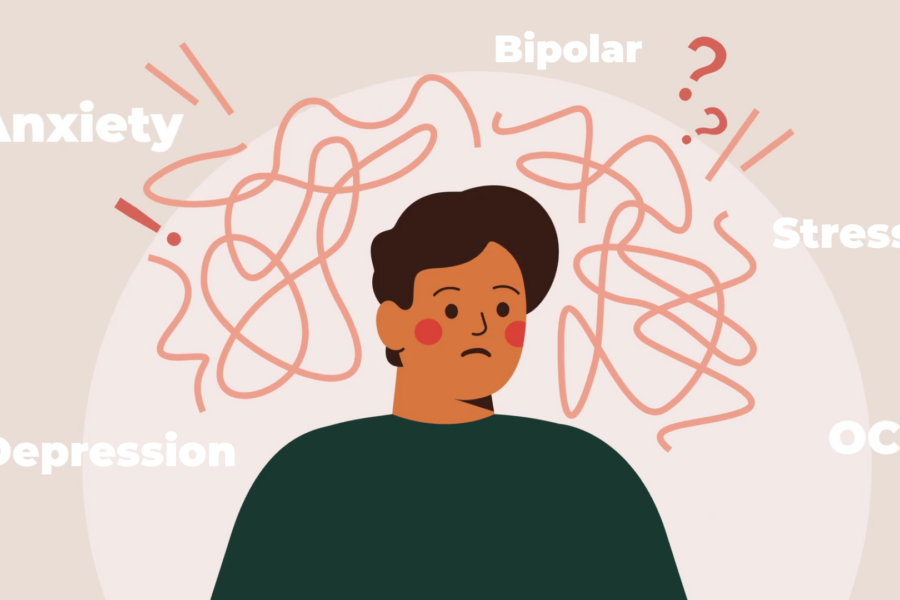
Mental health is a collective term for many conditions, and sometimes the language surrounding it can feel confusing. Understanding the difference between everyday emotions and diagnosable mental health conditions is important.
Anxiety
Most of us will feel worried, nervous or uneasy at times. That is a normal part of life. But anxiety disorders can go far beyond occasional worry, becoming persistent, overwhelming and disruptive to everyday life.
OCD
Being neat, organised or liking things done a certain way is not the same as living with Obsessive Compulsive Disorder. OCD can involve distressing intrusive thoughts and compulsive behaviours that significantly impact someone’s daily life.
Depression
Feeling sad after a difficult day or an upsetting situation is completely normal. Clinical depression is different. It is a long-term mental health condition that can affect every aspect of a person’s life.
Bipolar disorder
Everyone experiences changes in mood, but bipolar disorder involves much more than occasional mood swings. It is a serious mental health condition that can cause extreme shifts in mood, energy and functioning.
At least 1 in 6 people experience a common mental health problem each week. That means there is a strong chance that someone around us may be struggling, even if we do not realise it. This is why the language that we use matters.
Being mindful in our choice of words surrounding mental health can create more supportive and inclusive workplaces. Mental health should never be used as a punchline, an exaggeration or a throwaway comment.
A more supportive workplace starts with awareness, understanding and empathy.
Download our free wellbeing and mental health support guide to share among your team.
Empower your workforce
At Rise Workplace Wellbeing we’re passionate about providing high quality health and wellbeing e-learning packages, designed to help organisations create a long lasting, happier and healthier workforce.
Learn more about our CPD-accredited e-learning programme.
Contact us today to find out how we can help you and your organisation.